
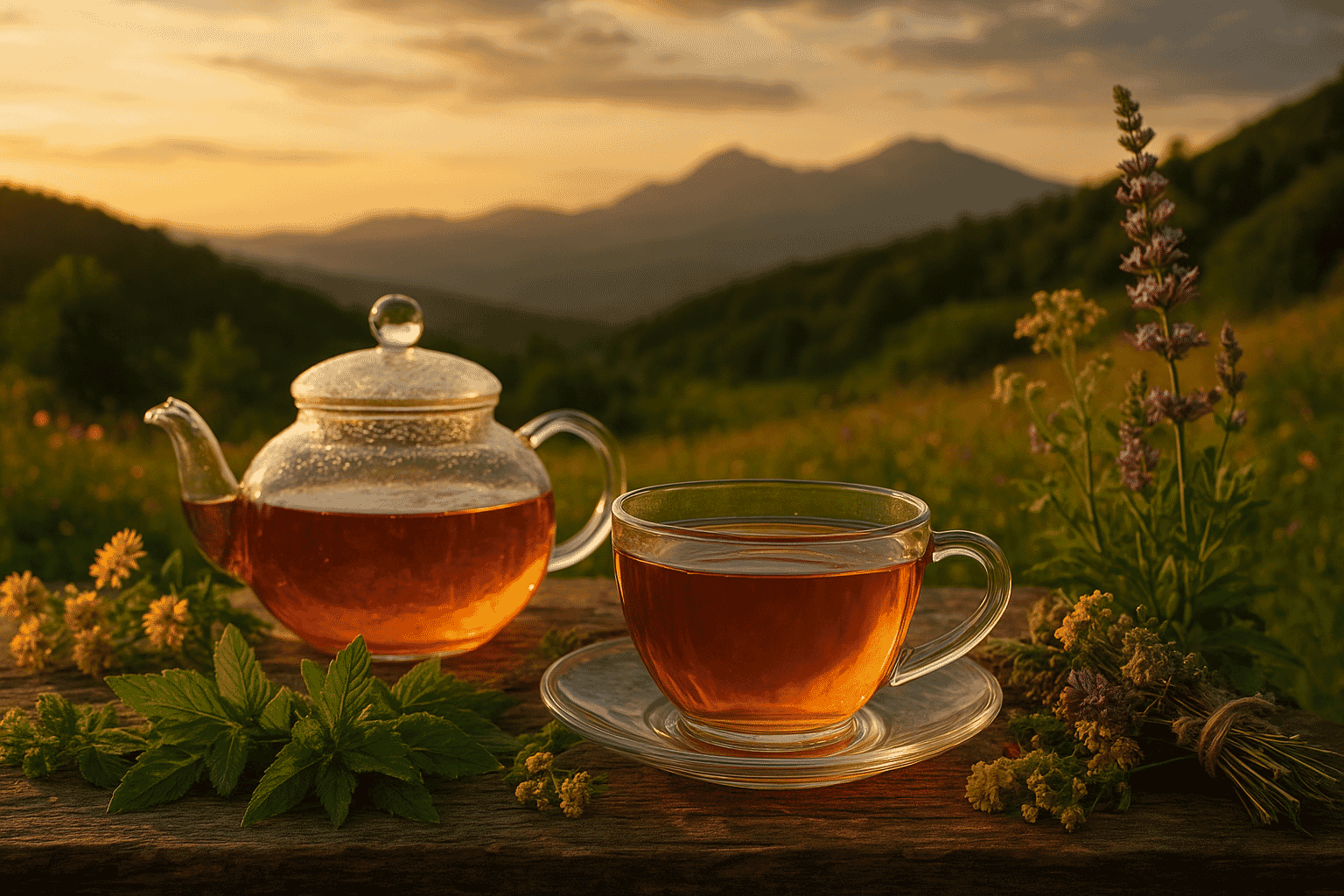
Romanian Wild Teas: The Healing Power of Plante Medicinale Romania
Romanian Wild Teas: The Healing Power of Plante Medicinale Romania
Romania's diverse landscapes—from the Carpathian Mountains to the Danube Delta—host over 3,700 plant species, many of which have been used for centuries in traditional medicine. Known as "plante medicinale Romania," these wild herbs form the backbone of a living folk healing tradition. For travelers and health enthusiasts, sipping a cup of locally foraged tea is not just a beverage—it's an immersion into a culture deeply connected to nature. This article explores the most cherished Romanian medicinal plants, ethical foraging practices, regional specialties, and how to experience authentic herbal remedies during your visit.
What Are Plante Medicinale Romania? A Rich Flora Tradition
Romania's geographical position at the crossroads of Central, Eastern, and Southeastern Europe, combined with its varied topography—from alpine meadows to lowland forests—creates a unique biodiversity hotspot. The term "plante medicinale Romania" refers to the native wild plants traditionally harvested for medicinal teas, tinctures, and balms. Unlike commercial herbal products, these are often picked by hand, dried in shaded barns, and used in family recipes passed down through generations.
Key species include rosehip (măceș), St. John's wort (sunătoare), chamomile (mușețel), linden (tei), nettle (urzică), and elderflower (soc). Each plant has a specific harvest window and preparation method. Romanian herbalism emphasizes the synergy between plants and the lunar calendar: many elders believe that picking during a waxing moon enhances potency. This deep-rooted respect for nature is why authentic plante medicinale Romania remain central to rural life and are increasingly sought after by wellness travelers.
The Top 7 Romanian Medicinal Plants and Their Benefits
1. Rosehip (Măceș) – Immune Booster
Rosehip is one of the most popular Romanian wild teas. Harvested after the first frost (October–November), the hips are rich in vitamin C, flavonoids, and antioxidants. Traditionally used to prevent colds, boost immunity, and soothe joint pain. To prepare, crush 10-15 dried hips, steep in boiling water for 10-15 minutes, and sweeten with honey. The taste is tangy and slightly sweet.
2. St. John's Wort (Sunătoare) – Mood Support
Known for its bright yellow flowers, sunătoare is traditionally used to alleviate mild depression and anxiety. It blooms in June–July. The flowers are infused in oil or prepared as tea (1 teaspoon dried flowers per cup, steep 5-7 minutes). Caution: St. John's wort can interact with medications, so consult a doctor before use.
3. Chamomile (Mușețel) – Digestive Aid
Romanian chamomile grows wild in meadows and is distinct for its sweet apple-like aroma. It's used for upset stomachs, insomnia, and skin inflammations. To make tea, use 2 teaspoons of dried flowers per cup, steep 5–10 minutes. Chamomile is often blended with linden for a calming evening beverage.
4. Linden (Tei) – Calming and Cold Remedy
Linden flowers are collected in early July when they are fully open. The tea is light yellow, honey-scented, and helps reduce fever, soothe sore throats, and promote relaxation. Linden is considered the quintessential Romanian herbal tea for families—often served with honey and lemon.
5. Nettle (Urzică) – Spring Tonic
Young nettle leaves (harvested in April–May) are rich in iron, calcium, and vitamins. Nettle tea supports detoxification, relieves allergies, and strengthens hair and nails. Use fresh leaves (2 cups per liter) or dried (1 tablespoon per cup). Nettle is also used in soups and salads in Romanian cuisine.
6. Elderflower (Soc) – Fever Reducer
Elderflowers bloom in May–June. The tea is fragrant and helps lower fevers, clear sinuses, and boost immune response. Elderflower is also made into syrup (limonadă de soc), a popular Romanian summer drink. For tea, steep 2-3 umbels (flower clusters) in hot water for 10 minutes.
7. Lovage (Leuștean) – Digestive Spice
Lesser-known abroad, lovage is a staple in Romanian gardens. Its leaves taste like celery and are used in tea to relieve bloating and indigestion. Lovage also supports kidney function. Harvest leaves before flowering (June) and dry them quickly.
How to Forage Wild Herbs in Romania Ethically
Foraging is a cherished tradition in Romania, but sustainable practices are crucial to protect natural habitats. Follow these ethical guidelines:
- Get permission: Always ask if you're on private land. National parks like Retezat or Piatra Craiului strictly regulate foraging; consider joining a guided tour (see our guide to Retezat National Park for more on park rules).
- Harvest only what you need: Take no more than 10% of a plant population. Leave roots intact for perennials like lovage or nettle.
- Avoid rare species: Never pick protected plants such as edelweiss or lady's slipper orchid. Stick to abundant species.
- Choose clean locations: Avoid roadsides, agricultural fields (pesticides), and industrial areas. Harvest at least 50 meters from any road.
- Harvest at the right time: Early morning after dew has dried, when essential oils are concentrated. Use sharp scissors to cleanly cut stems.
Many rural communities still hold collective foraging traditions. If you're invited to join, observe and learn—Romanian hosts are often happy to share their plant knowledge. Respect their customs, and never forage in protected areas without authorization.
Seasonal Plante Medicinale Romania Foraging Guide: When to Harvest
Romania's herbs follow precise seasonal cycles:
- Spring (March–May): Young nettle, dandelion leaves, wild garlic (leurda), and bilberry leaves. This is the time for detoxifying spring tonic teas.
- Early summer (June–July): Chamomile, linden, elderflower, St. John's wort, and yarrow. Flowers are at peak potency.
- Late summer (August–September): Calendula, thyme (cimbru), and sage (salvie). Also harvest roots of valerian and burdock (for tinctures).
- Autumn (October–November): Rosehips after first frost (sweeter), hawthorn berries, and sea buckthorn (cătina). Roots can be harvested until the ground freezes.
Always carry a reliable field guide or go with an expert. Romanian orchid and mushroom look-alikes can be toxic. For absolute safety, buy dried plante medicinale Romania from trusted producers.
How to Prepare Romanian Medicinal Teas Correctly
To maximize benefits, follow these steps:
- Water temperature: Most delicate flowers (chamomile, linden, elderflower) require water around 95°C (just off boil). Hardier parts (rosehips, roots) can take full boil.
- Dosage: Use 1-2 teaspoons of dried herb per 250 ml cup. For fresh herbs, double the amount.
- Steeping time: Flowers and leaves: 5-10 minutes. Roots and barks: 10-15 minutes. Berries (rosehips): crush first, steep 15-20 minutes.
- Strain and serve: Use a fine mesh strainer. Sweeten with Romanian honey (acacia or polyfloral). Avoid adding milk to herbal teas.
- Storage: Dried herbs should be kept in airtight glass jars away from light. Most herbs retain potency for one year. Label with harvest date.
Common mistakes: over-steeping (makes tea bitter), using too much herb (can cause side effects), or boiling the water with the plant (destroys volatile oils). For maximum antioxidants, cover the cup while steeping.
Regional Specialties: Transylvania, Maramureș, Dobrogea
Different regions offer unique herbal traditions:
- Transylvania: Known for lavender, lemon balm (melisa), and chamomile. The Saxon villages cultivate gardens with meticulous rows of medicinal plants. Try "ceai de tei" (linden tea) in Brașov's local cafes (explore Brașov attractions).
- Maramureș: The mountainous region is famous for wild berries, spruce tips, and arnica (used externally for bruises). Locals prepare "ceai de munte" (mountain tea) blends with bilberry leaves and fir needles. Plan a trip with our Maramureș 5-day itinerary.
- Dobrogea: The sunny, dry delta area yields sea buckthorn, thyme, and sage. Here, plants have a stronger flavor due to the arid climate. Sea buckthorn tea (cătina) is a vitamin C powerhouse.
- Bukovina: Known for its pristine forests, where you can find St. John's wort, liverwort (ciuboțica cucului), and various mushrooms. The monastic traditions here include herbal tinctures.
Experience these regional teas by visiting local farmers' markets (Obor in Bucharest, Mărăști in Cluj) or rural guesthouses. Many offer herb-picking workshops and tea-tasting sessions.
Where to Buy Authentic Plante Medicinale Romania
To ensure quality and authenticity, avoid tourist shops offering shiny packaged "herbal teas." Instead:
- Farmers' markets: Look for villages with stalls selling loose herbs in paper bags. Ask about origin and harvest date. Prices: 2–5 EUR per 100g.
- Herbalists (Plafar): Romania has a tradition of herbalist shops, often near monasteries or in city centers. They sell single herbs and custom blends.
- Online producers: Reputable websites like Praid or Dănut offer detailed sourcing info. Look for organic certification (Bio) or wild-harvested (cules din flora spontană).
- Direct from foragers: In rural areas, you can meet elders who sell surplus. Some organize workshops via local tourism websites. Consider staying at traditional guesthouses that may offer direct purchases.
Avoid buying pre-packaged tea bags with added flavors or preservatives. True plante medicinale Romania should smell potent and look intact (not powdered). Freshly dried herbs feel brittle, not soft.
Frequently Asked Questions About Plante Medicinale Romania
Where can I buy authentic Romanian medicinal herbs?
Best sources are local farmers' markets, such as Obor Market in Bucharest or the weekly market in Sibiu. Look for stalls run by rural women selling loose herbs in paper bags. You can also visit specialized plafar shops or order online from trusted Romanian producers who specify wild-harvested or organic origin.
Is it safe to forage wild plants in Romania?
Foraging is safe if you know what you're doing. Start with easily identifiable plants like nettle, dandelion, or chamomile. Always avoid plants that resemble toxic species (e.g., hemlock versus wild carrot). Join a guided foraging tour for safety, especially for mushrooms. National park regulations require permits for harvesting protected species. Check our hiking trails in the Carpathians for guidance.
Which Romanian herb is best for boosting immunity?
Rosehip (măceș) is the most popular immune booster, high in vitamin C and antioxidants. Sea buckthorn (cătina) is also excellent—packed with vitamins A, C, and E. Many Romanians drink rosehip tea daily during autumn and winter to prevent colds.
How do I prepare traditional Romanian linden tea?
Harvest linden flowers in July, dry them in the shade. To prepare: use 1-2 teaspoons of dried flowers per 250 ml of water at 95°C. Steep covered for 7-10 minutes. Strain and sweeten with acacia honey. Linden tea is traditionally drunk warm before bed to induce calmness and treat mild fevers.
Are there any toxic look-alikes to common medicinal plants?
Yes. For example, wild carrot (Daucus carota) resembles poisonous hemlock; young poison hemlock leaves can be mistaken for parsley or wild celery. Also, certain yellow-flowered asteraceae can be confused with chamomile. Always cross-reference with a field guide or an expert before consuming any foraged plant.