
Christmas in Romania: A Winter Wonderland of Fairs, Feasts, and Folklore
Christmas in Romania: A Winter Wonderland of Fairs, Feasts, and Folklore
Experience the enchanting spirit of craciun in Romania, where ancient traditions blend with festive markets to create an unforgettable winter escape. From the medieval squares of Transylvania to the snow-covered villages of Maramureș, Romania offers a Christmas celebration that is both deeply authentic and surprisingly affordable. Unlike the crowded markets of Vienna or Prague, Romanian fairs retain a local charm, featuring handcrafted ornaments, steaming mulled wine, and the hearty flavors of traditional cuisine. Whether you're drawn by the carols echoing through Sibiu's Great Square or the rustic hospitality of a Bucovina guesthouse, this guide reveals the best of Romania's winter magic.
The Magic of Craciun in Romania: Markets, Traditions, and Warmth
Christmas in Romania is more than a date on the calendar—it's a season of profound cultural significance. The country follows the Gregorian calendar, so Christmas Day is December 25, but preparations begin weeks earlier. The period from December 1 (National Day) to January 7 (Orthodox Christmas) is filled with markets, caroling, and unique customs that differ from Western Christmas celebrations. What makes craciun in Romania special is the seamless blend of pre-Christian winter solstice rituals with Christian traditions. Villages still practice the "Ignat" feast (December 20) when pigs are slaughtered to ensure abundant food for Christmas, while carolers dressed in traditional costumes visit homes carrying a star on a stick, singing ancient colinde (carols). In cities, German-inspired Christmas markets have flourished since the early 2000s, but they are infused with Romanian flavors: wooden cabins sell not only ornaments but hand-painted eggs, woven textiles, and local honey. The atmosphere is less commercial and more community-focused. Temperatures often drop below -10°C, so visitors should prepare for cold, but the warmth of host cities and the hospitality of guesthouses make it all worthwhile.
Top Christmas Markets in Romania: Where to Find the Best Fairs
Romania boasts several world-class Christmas markets that rival those in Western Europe, but with lower prices and fewer crowds. Each market has its own character, from the medieval backdrop of Sibiu to the baroque elegance of Timișoara. Here are the must-visit destinations:
Sibiu Christmas Market: A Medieval Fairytale
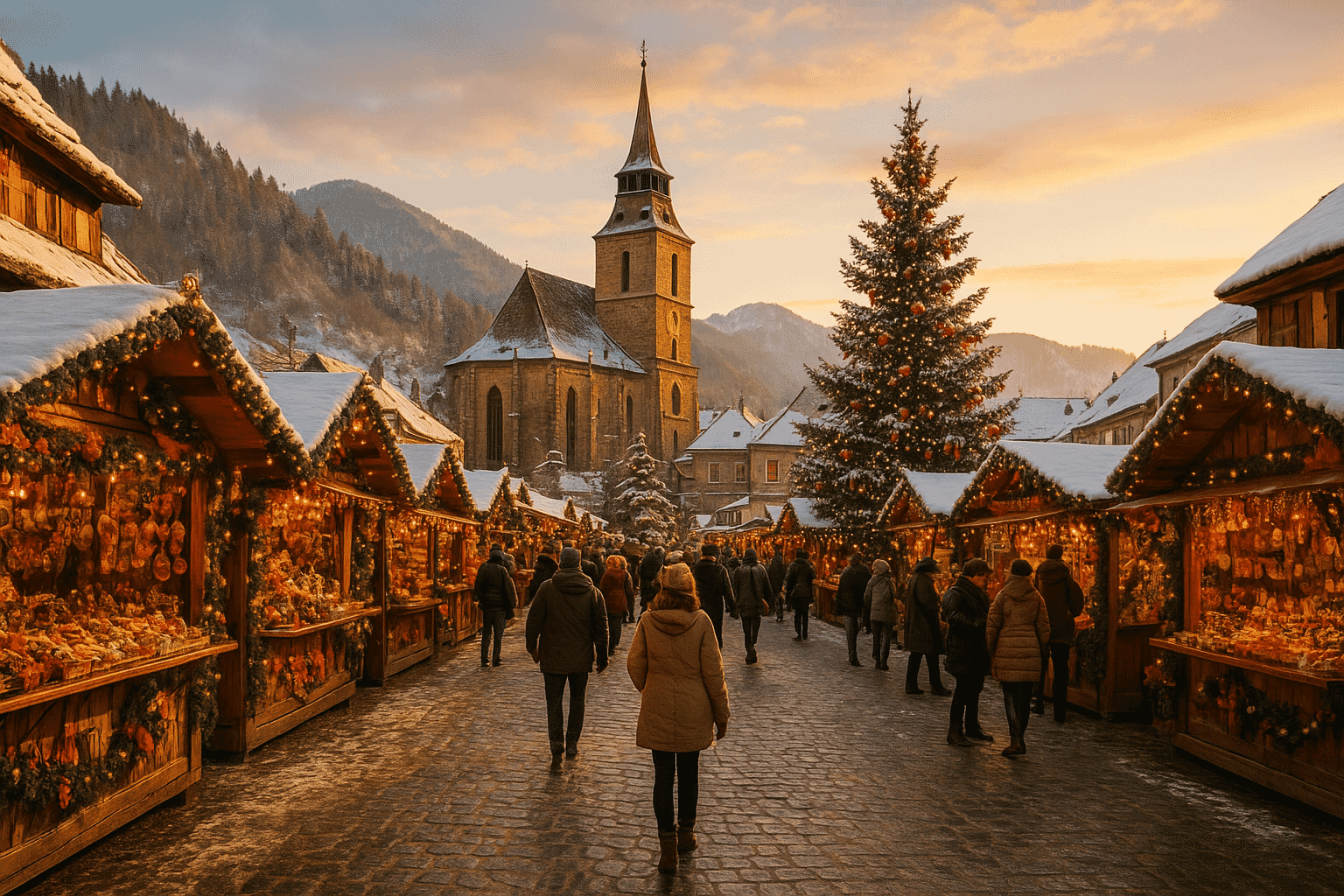
Sibiu's market, held in the Grand Square (Piața Mare) from late November to early January, is arguably the most beautiful in Romania. Wooden chalets surround a towering Christmas tree, and the scent of grilled sausages and vin fiert (mulled wine with cinnamon and cloves) fills the air. Live performances of traditional carols and folk dances take place on a central stage. Sibiu was a European Capital of Culture in 2007, and its market reflects that pedigree—artisans sell handcrafted leather goods, painted eggs, and unique jewelry. Don't miss the giant wheel offering panoramic views of the old town. The market is open daily from 10:00 to 22:00, and on weekends there are additional workshops for children.
Brașov Christmas Market: Under the Shadow of the Carpathians
Set in the Council Square (Piața Sfatului) surrounded by Saxon architecture, Brașov's market is intimate yet vibrant. The backdrop of snow-capped Mount Tâmpa adds to the romance. Here, you'll find over 50 stalls selling traditional food like kürtőskalács (chimney cake) and mici (grilled minced meat rolls). The market is famous for its nativity scene with life-sized figures. A skating rink is set up nearby, perfect for families. Brașov also hosts the "Christmas in Transylvania" festival on December 21-23, featuring concerts and parades. For more on Transylvania, check our guide to attractions in Transylvania.
Cluj-Napoca Christmas Market: A Student City’s Vibrant Celebration
Unirii Square in Cluj hosts a market that combines contemporary design with tradition. The lighting displays are spectacular, with a giant LED tree and projection mapping on the Matthias Corvinus statue. The market offers a mix of local crafts and street food, including langoș (deep-fried dough with sour cream and cheese). Cluj's youthful energy means there are often DJ sets and live bands after sunset. Visit early December for the winter solstice celebrations.
Bucharest Christmas Market: The Capital’s Grandeur
Bucharest's Constitution Square hosts an expansive market with over 100 cabins. The government building provides a dramatic backdrop. The market is more commercial than others, but it compensates with variety: you'll find everything from designer accessories to Romanian wines. The ice skating rink and amusement park rides attract large crowds. For a quieter experience, visit on weekday mornings.
Timișoara Christmas Market: Baroque Splendor
After being European Capital of Culture in 2023, Timișoara's market in Victoria Square is elegantly curated. The Habsburg-inspired architecture creates a magical setting. The market emphasizes sustainability, with many products from local farmers and artisans. Try the gulaș soup and roasted chestnuts. A unique feature is the "Christmas Bus" that takes visitors on a tour of decorated houses in the city.
Traditional Romanian Christmas Cuisine: Feast Like a Local
Romanian Christmas dinner is a hearty affair rooted in centuries of tradition. The centerpiece is pork, symbolizing wealth and abundance. The meal usually begins with sarmale—cabbage rolls stuffed with pork, rice, and herbs, slow-cooked in tomato sauce and served with polenta and sour cream. Another classic is pomana porcului (pork feast), made from cracklings, fresh pork, and garlic sauce. For dessert, cozonac is essential—a sweet yeast bread filled with walnuts, cocoa, or Turkish delight. Many families bake their own, and the scent fills every home. Other treats include salam de biscuiți (cookie salami made with cocoa, biscuits, and rum) and cornulețe (crescent-shaped cookies with jam or nuts). To drink, Romanians enjoy vin fiert (mulled wine) and țuică (plum brandy) often warmed. Traditional restaurants in Sibiu, Brașov, and Bucharest offer Christmas specials, but for the most authentic experience, join a cooking class or stay in a rural guesthouse where the family will welcome you to their table. For more on Romanian dishes, see our guide to traditional Romanian cuisine.
Unique Craciun in Romania Traditions: Caroling, Ignat, and More
Beyond the markets, Romania's Christmas traditions are deeply rooted in folklore. Explore these rituals to understand the true spirit of craciun in Romania:
Colindatul (Caroling)
Caroling is a cherished tradition, especially in villages. Groups of children or adults, dressed in traditional costumes, go from house to house singing colinde—ancient songs with Christian and pagan themes. They often carry a stea (a star on a stick covered in colored paper and bells). Hosts offer them apples, nuts, money, or cozonac. Famous carols include "O, ce veste minunată!" and "Îngerii coboară din cer." Many cities organize public caroling events.
Ignat (December 20)
Ignat is the feast day of Saint Ignatius, when households traditionally slaughter a pig to prepare for Christmas. This ritual ensures plenty of meat for sarmale and other dishes. In the countryside, it's a community event, with neighbors helping each other. The ceremony includes lighting a fire and blessing the animal. Afterward, the meat is processed into sausages, bacon, and ham, which are often smoked.
Plugușorul and Sorcova (New Year Traditions)
On New Year's Eve and Day, children go from house to house with a small plow (plugușor) decorated with ribbons and bells, reciting poems that wish a fruitful year. They receive treats or money. On January 1, Sorcova is practiced—children carry a willow twig decorated with flowers and lightly tap family members while reciting wishes for health and prosperity.
Jocul Ursului (Bear Dance)
In some Moldavian villages, men dress in bear costumes and perform a dance to ward off evil spirits and bring good luck. The ritual, inherited from Dacian traditions, is particularly popular on December 30 or New Year's Eve. It's a mesmerizing display of rhythm and symbolism. For a full calendar of Romanian festivals, visit our cultural festival guide.
Rural Christmas Experiences: Maramureș and Bucovina
For the most authentic celebration, head to the countryside. Maramureș is famous for its wooden churches, haystacks, and preserved folklore. Villages like Breb, Botiza, and Ieud host nativity scenes in churchyards and caroling processions through the snow. Accommodation is in traditional guesthouses (pensiuni) where you can partake in pig slaughter, bake cozonac, and dance with locals. For more on rural stays, see our guide to traditional Romanian guesthouses. In Bucovina, known for painted monasteries, the winter landscape is breathtaking. Visit during the "Christmas in Bucovina" festival (December 20-27) to see craft fairs and concerts. Without a car, reaching these areas is challenging but possible by bus or organized tour from major cities. If you're interested in the Maramureș region, check our 5-day itinerary for Maramureș.
Practical Tips for Your Romanian Christmas Trip
Maximize your experience with these insider suggestions:
Best Time to Visit
To see markets at their peak, visit the first two weeks of December. For a blend of markets and rural traditions, mid-December is ideal. Avoid December 24-25 if you want bustling markets (many close early on the 24th). The Orthodox Christmas on January 7 offers a second celebration in some regions.
Budget and Accommodation
Romania is affordable: mulled wine costs €2-3, a meal at a market €5-8, and hotels in cities range from €40-100 per night for a double. Book at least a month in advance for December. Consider staying in guesthouses for rural experiences (€30-50/night including breakfast).
Packing Essentials
Temperatures can drop to -15°C. Pack thermal underwear, a warm coat, waterproof boots (for snow and mud), gloves, a hat, and a scarf. Also bring a power bank (cold drains phone batteries) and cash (markets and guesthouses often don't accept cards).
Transportation
Trains connect major cities—buy tickets via CFR Călători. For flexibility, rent a car with winter tires. Check road conditions on sites like infotrafic.ro. Alternatively, use buses (e.g., FlixBus, autogari.ro). To visit rural areas, consider a private driver or tour.
Frequently Asked Questions
When do Christmas markets open in Romania?
Most markets start in late November (around November 20-30) and run until early January (typically January 2-7). Always check specific city websites for exact dates.
What is the traditional Romanian Christmas dinner?
The main meal on Christmas Eve or Day includes sarmale (cabbage rolls), pomana porcului (pork feast), and cozonac (sweet bread). It is preceded by a period of fasting.
Which city has the best Christmas market in Romania?
Sibiu is widely considered the best for its medieval setting and authenticity, followed by Brașov for its mountain backdrop and Cluj-Napoca for its modern vibe.
Can I experience rural Christmas traditions without a car?
Yes, by joining guided tours from Sibiu, Brașov, or Cluj that include transport to villages. Public buses exist but are less frequent in winter.
Are there any special events on Christmas Eve or Day?
On Christmas Eve, many churches hold midnight mass. In cities, caroling events happen in public squares. Most markets close early on the 24th, but restaurants and some museums remain open.
What should I pack for a winter trip to Romania?
Pack thermal layers, a heavy winter coat, waterproof boots, gloves, a hat, and a scarf. Also bring lip balm, moisturizer, and a power bank for electronic devices.