
Bucharest's Urban Canvas: A Guide to the City's Most Impressive Murals
Bucharest's Urban Canvas: A Guide to the City's Most Impressive Murals
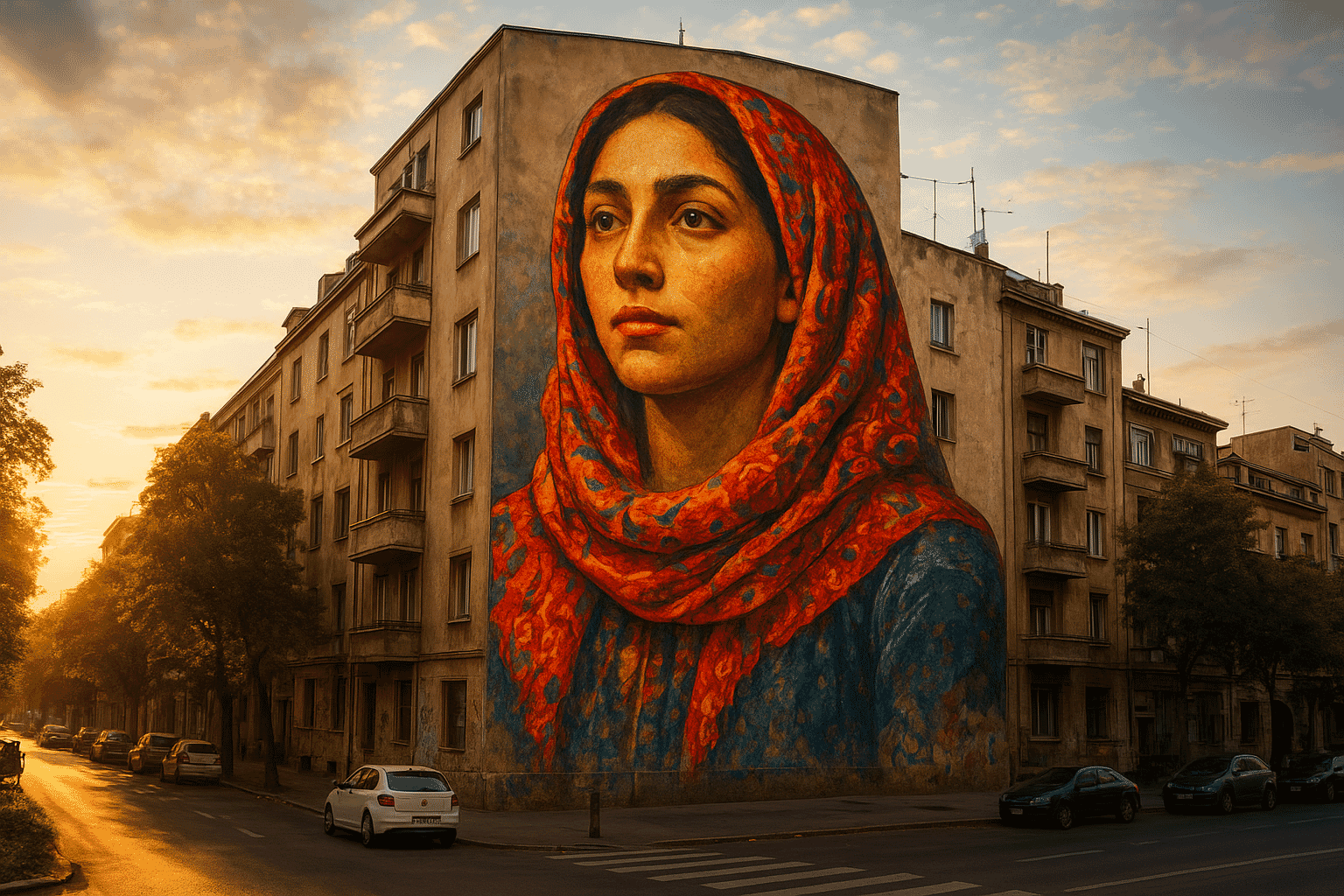
Bucharest has transformed into a sprawling open-air gallery, where colossal portraits, abstract explosions of color, and politically charged stencils cover walls once left gray. The city's street art scene—known as arta stradala bucuresti—is a dynamic blend of local talent and international acclaim, offering visitors a raw, unfiltered look at Romanian identity and urban culture. From the towering eyes of a mysterious figure to murals that celebrate national icons, this guide will take you behind the brushstrokes, revealing the artists, the neighborhoods, and the stories that make this urban art movement a must-see.
The Rise of Arta Stradala Bucuresti: From Vandalism to Vibrant Culture
Street art in Bucharest didn't emerge overnight. In the post-communist 1990s, the city's walls became canvases for social commentary, with early graffiti artists laying the groundwork. However, it wasn't until the late 2000s that the scene exploded, thanks in part to festivals like Bucharest Walls and East European Mural Festival. These events invited international artists such as Obie Platon, BR1, and local collectives like Sweet Damage Crew to transform blank facades into masterpieces.
Today, the Romanian capital boasts over 100 significant murals, many concentrated in areas once considered rundown. The shift from vandalism to celebrated public art was driven by city initiatives and private investment—landlords now often commission murals to beautify buildings. Yet, the spirit of rebellion remains. Many murals tackle themes like corruption, environmental issues, or historical memory, using the street as both gallery and soapbox.
One standout is the "Mural of the Romanian Athenaeum"—a giant reproduction of the iconic concert hall by artist Peştescu Florin. It bridges the gap between classical culture and street art, showing how murals can honor tradition while embracing modernity. This evolution from illegal tags to curated, community-adored works is what makes Bucharest's street art unique: it's both rooted in history and fiercely contemporary.
Masterpieces in the Urban Jungle: Must-See Murals and Their Artists
Bucharest's most famous murals are scattered across the city, each with a story. Here are the absolute must-sees:
The Eyes on Calea Victoriei - In the heart of the city, a set of giant, hypnotic eyes peer down from a building near the National Museum of Romanian Literature. Created by Italian artist Giovanni De Gara, this piece plays with perspective and illusion. Look closely: the eyes follow you as you walk, a haunting yet beautiful reminder of the city's watchful gaze. The mural was part of the Bucharest Walls festival and has become an Instagram favorite.
The Revolution Mural (Muralul Revoluţiei) - Located in the Unirii area, this powerful work commemorates the 1989 revolution that overthrew Ceaușescu. Artist Obie Platon (known as Oti) splashed red and black across a massive wall, with abstract figures representing hope and sacrifice. The mural is both a tribute and a warning—a piece of living history that locals often visit on national holidays.
The Romanian Athenaeum Mural - As mentioned, this photorealistic mural on Sfânta Vineri Street pays homage to Romania's most famous concert hall. Created by Florin Peștescu and his team, it took over a month to complete. The detail is staggering: from the columns to the dome, it mimics the real building's neoclassical elegance. It's a favorite backdrop for selfies, but also a statement that art belongs everywhere, not just in museums.
Abstract Vibe by BR1 - On a side street in Floreasca, Brazilian-born artist BR1 painted a riot of geometric shapes and bold colors. The mural is pure energy—no message, just form. It contrasts with the more narrative pieces, showing the diversity of styles in Bucharest. BR1's work is a reminder that street art can be purely aesthetic, a burst of joy on an otherwise dull wall.
Pantelimon's Garden - In the industrial Pantelimon district, a series of murals by the East European Mural Festival turn a gray neighborhood into a lush fantasy. Imagine giant flowers, butterflies, and surreal animals covering entire blocks. These murals were intended to beautify a neglected area and have sparked community pride. Locals now gather in the newly paved squares, and cafes have opened nearby, all thanks to these painted gardens.
Exploring Arta Stradala Bucuresti: Best Neighborhoods and Hidden Gems
To experience the full spectrum of arta stradala bucuresti, you need to explore beyond the tourist trail. Here are the key neighborhoods:
Centru Civic and the Parliamentary Area - This zone is dense with state buildings and wide boulevards, but tucked in courtyards and underpasses are some of the most impressive murals. The famous "Eyes" mural is here, plus a giant octopus by artist Sweet Damage Crew on Calea 13 Septembrie. Walk down Strada Izvor and peer into alleyways—many hidden gems await.
Unirii and Piața Unirii - While the square itself is chaotic, the surrounding streets are a goldmine. A few minutes' walk away, you'll find the Revolution Mural and a half-dozen others, including a portrait of Romanian poet Mihai Eminescu. The contrast between the communist-era blocks and vibrant colors is stark.
Floreasca - This upscale residential area hosts abstract works and large-scale portraits. Strada Barbu Văcărescu is a must, with murals by BR1 and other international artists. It's also a great spot for brunch—many cafes have their own painted walls.
Pantelimon - Once a drab industrial zone, now an open-air museum. The Pantelimon Mural Trail includes 12+ murals by artists from Ukraine, Poland, and Romania. Look for the giant red fox and the tree of life. This area is best visited on weekends when local markets pop up. If you're planning a weekend in Bucharest, see our guide on places to visit in Bucharest for a weekend.
Tei and the Northern Railway - Near the Gara de Nord, the underpasses are filled with graffiti tags and a few murals. But the real treasure is on Strada Maior Coravu, where a collection of works by Cristian Samfira depict Romanian folklore characters. It's less crowded than Unirii, perfect for photography.
The Pulse of the Scene: Festivals and Events Fueling Street Art
The street art calendar in Bucharest revolves around three major festivals. Bucharest Walls (usually May–June) is the most prominent, inviting 10–15 artists yearly to paint large-scale murals. The 2024 edition added 20 new works, including a mural of the Dacian king Decebalus. East European Mural Festival (September) focuses on Eastern European artists, with themes of identity and resilience. In 2023, it created a mural trail in Pantelimon that revitalized the district.
Beyond these, Nopţi Albe (White Nights) in October features pop-up art installations, while the Bucharest Biennale sometimes commissions street art. Check social media for spontaneous events—many artists arrive during summer months. Follow hashtags like #muralsbucuresti to see what's fresh. For more cultural events, check out our calendar of festivals and celebrations in Romania.
A unique aspect is the Ephemeral Art Wall in the Old Town, where artists are given free rein for 24 hours. The result? A constantly rotating gallery that could change overnight. It's a testament to the temporary nature of street art and the city's commitment to keeping it alive.
Your Mural Hunting Toolkit: Tips for a Self-Guided Tour
To maximize your mural adventure, follow these practical tips:
- Start early (9–10 AM) for soft light and fewer crowds. Sunrise around 7 AM offers golden hour on east-facing walls.
- Use a curated map. Download a PDF from blogs like Romania Insider or use the Bucharest Street Art Google Map. It lists around 50 murals with coordinates.
- Look beyond the street level. Murals are often on the sides of buildings, in courtyards, or on stairs. In Centru Civic, the courtyard at Strada Izvor 74 hides a stunning 10-meter tall flower.
- Combine with cafes. Murals in Floreasca are near coffee spots like Origo or Bob's—grab a flat white and admire.
- Photography tips: Use a wide-angle lens for full murals. For detail shots, a 50mm prime works. Avoid midday harsh shadows; overcast days are best for even lighting.
- Respect the art. Don't touch or graffiti over existing murals. Many are on private property—ask permission if you're entering a courtyard.
Self-guided tours are free and flexible. Guided tours cost €10–€20 and offer stories you might miss. Companies like Bucharest Urban Tours and Alternative Tours run 2–3 hour walks. They often include drinks and insights into the artists' lives.
Beyond the Art: How Murals Are Transforming Bucharest's Public Spaces
Street art in Bucharest is more than decoration—it's a catalyst for urban renewal. In Pantelimon, the East European Mural Festival didn't just paint walls; it spurred the creation of a community garden, a new bus stop shelter, and weekly farmers' markets. Local residents reported feeling safer and prouder of their neighborhood. Similarly, in the Ferentari district, a series of murals by Roma artists helped reduce stigma and attracted tourists to an underserved area.
Murals also serve as tools for social commentary. The Mural of the Missing Children near Unirii brings attention to Romania's child abduction issue, while works by activist group Culturada highlight environmental degradation. In a country where public debate can be tense, street art offers a silent, powerful way to communicate.
Cafes, hostels, and restaurants now leverage murals to attract customers. The Bistro Muralist in Centru Civic has its walls painted to fit a whimsical forest theme—patrons can eat surrounded by giant leaves and squirrels. It's a trend that shows how deeply integrated street art has become in the city's fabric.
Frequently Asked Questions About Street Art in Bucharest
Where can I find the best street art in Bucharest?
The highest concentration is in Centru Civic, Unirii, Floreasca, and Pantelimon. Start at the Eyes mural on Calea Victoriei and follow the trail eastward. Many hidden gems are in courtyards off Strada Izvor and in the Pantelimon industrial zone.
Are there guided street art tours?
Yes, several companies offer 2–3 hour tours for €10–€20. Bucharest Urban Tours and Alternative Tours provide expert guides who share stories behind the art. Some tours include coffee or beer stops.
Is it safe to walk around the mural areas?
Generally yes—most areas are well-trafficked during the day. Use common sense in industrial zones like Pantelimon; visit during daytime. Unirii and Centru Civic are very safe, even after dark, but avoid empty streets at night.
When is the best time to see the murals?
Spring (April–May) and early autumn (September–October) have mild weather and good light. Many festivals happen in late spring/summer, so that's when new murals appear. Avoid midday in summer for harsh shadows.
Can I take photos of the murals freely?
Yes, photographing street art in public spaces is allowed. If the mural is on private property and you're on that property, ask permission. Never climb barriers or damage plants to get a shot.
How often do new murals appear?
The scene evolves quickly—new murals appear weekly during festival season (May–October). Some are repainted or faded within months. Follow Instagram geotags for #bucurești_mural to stay updated.